
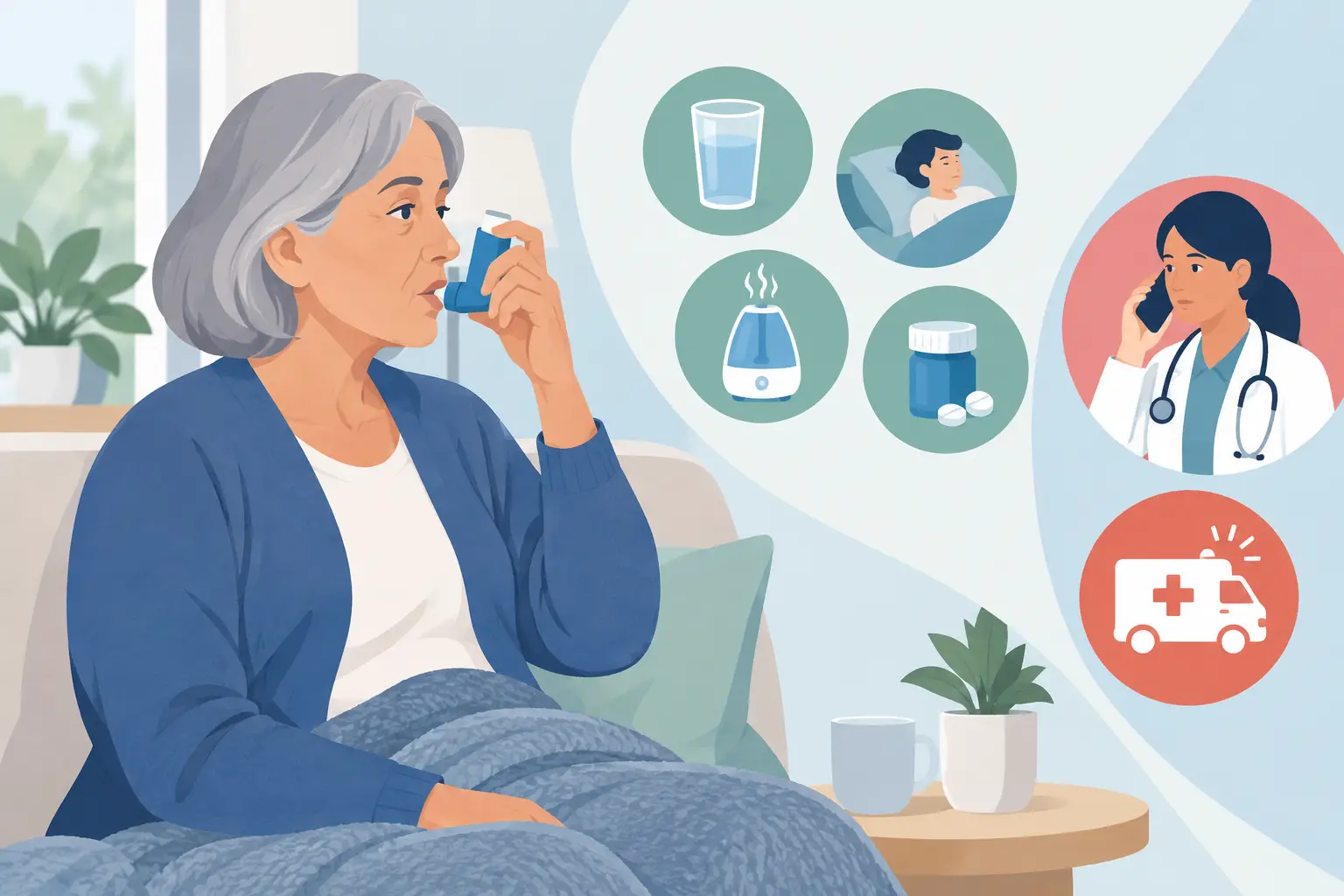
A COPD flareup can make a normal morning feel suddenly unfamiliar. You may be more short of breath walking across the room, coughing more than usual, or bringing up mucus that looks different. Knowing how to manage COPD flareups starts with taking those changes seriously early, following the plan your clinician has created for you, and knowing when home care is no longer enough.
A flareup, also called an exacerbation, is a worsening of COPD symptoms that lasts beyond your usual day-to-day variation. Viruses, bacterial infections, smoke, air pollution, allergens, weather changes, and missed medications can all contribute. Some flareups are manageable at home with prompt action. Others need same-day medical care or emergency treatment. The goal is not to push through severe symptoms. It is to respond early and protect your lungs.
Know Your Personal Warning Signs
COPD does not look exactly the same from person to person. That is why a personalized COPD action plan is so useful. It gives you clear instructions for what to do when symptoms are stable, when they are getting worse, and when you need urgent help.
For many people, the earliest signs of a flareup include increased shortness of breath, more wheezing or chest tightness, a cough that is more frequent or forceful, and a change in mucus. Mucus may become thicker, increase in amount, or turn yellow, green, brown, or bloody. You may also feel unusually tired, sleep poorly because of breathing symptoms, need to use your rescue inhaler more often, or notice swelling in your ankles or legs.
Pay attention to changes from your normal. A mild cough may be common for you, while a noticeable increase in cough may be an early warning sign. Keeping a short daily note of breathing symptoms, mucus changes, oxygen readings if your clinician has advised monitoring them, and rescue inhaler use can make patterns easier to recognize.
How to Manage COPD Flareups in the First Hours
When symptoms first worsen, pause what you are doing and use the steps in your COPD action plan. Sit upright in a comfortable position, loosen tight clothing, and try pursed-lip breathing: breathe in gently through your nose, then breathe out slowly through pursed lips for longer than you breathed in. This can help reduce the feeling of air trapping and make breathing feel more controlled.
Use your quick-relief inhaler or nebulizer exactly as prescribed. These medications are commonly used to relax the airway muscles during a flareup, but the right medicine, dose, and timing depend on your individual treatment plan. Do not take extra doses of a maintenance inhaler or borrow medication from another person unless a clinician has specifically instructed you to do so.
If you have prescribed supplemental oxygen, use it at the flow rate your clinician ordered. Do not turn oxygen up on your own to treat worsening breathlessness unless you have been given specific instructions to do that. Too much oxygen can be unsafe for some people with COPD. If oxygen is not helping as expected, that is a reason to contact a medical professional promptly.
Rest, but do not lie flat if it makes breathing harder. Sip fluids if you are able and if you have not been told to limit fluids for another health condition, such as heart failure or kidney disease. Staying hydrated can help keep mucus thinner, although fluids alone will not treat a significant flareup.
Follow the Medication Plan You and Your Clinician Created
Some patients have a written plan that includes a short course of oral steroids or antibiotics to begin when specific flareup symptoms occur. These medicines can be helpful in the right situation, but they are not appropriate for every episode of worsening breathing.
Oral steroids may reduce airway inflammation during a moderate or severe exacerbation. Antibiotics may be considered when there are signs of a bacterial infection, such as increased mucus volume along with a change in mucus color and worsening breathlessness. A virus can also trigger a flareup, and antibiotics do not treat viruses. Taking antibiotics when they are not needed can cause side effects and contribute to antibiotic resistance.
If your clinician has given you rescue prescriptions, follow the instructions carefully and contact the prescribing office as directed. If you do not have a flareup plan, or you are unsure whether your symptoms meet the criteria for starting a medication, call your pulmonary care team. Same-day guidance can prevent a smaller problem from becoming an emergency.
It also helps to review your inhaler technique periodically. Even a highly effective medication cannot work well if the inhaler is used incorrectly. A clinician or pharmacist can confirm whether you need a spacer, a different device, or a refresher on the proper steps.
When to Call Your Pulmonary Clinician
Contact your clinician promptly when symptoms are worse than usual and do not improve after your prescribed quick-relief medication, or when you are needing that medication more often than your plan allows. Call for guidance if you develop a fever, notice new or worsening mucus changes, have trouble sleeping because of breathing, or find that routine tasks such as bathing, dressing, or walking to the kitchen are much harder.
You should also reach out after a flareup begins to improve. COPD exacerbations can leave you weaker for days or weeks, and your care team may want to adjust medications, arrange follow-up testing, review oxygen needs, or help you prevent another episode. Repeated flareups may signal that your long-term COPD treatment needs to change.
For patients who have difficulty traveling when breathing symptoms worsen, secure video visits can offer a practical way to speak with a pulmonary specialist from home. Interstate Pulmonary provides remote consultations with board-certified clinicians, helping eligible patients review symptoms, treatment plans, prescriptions, and equipment needs without a commute.
Call 911 for Emergency Warning Signs
Do not wait for a routine appointment if you have severe or rapidly worsening shortness of breath, cannot speak in full sentences because of breathing difficulty, or have blue, gray, or pale lips or fingertips. Call 911 if you develop confusion, fainting, severe drowsiness, chest pain or pressure, a very fast or irregular heartbeat, or symptoms that do not improve with your rescue treatment.
Emergency care is also needed if your oxygen level is below the range your clinician has told you is safe, especially if it stays low after you follow your prescribed oxygen instructions. If you are alone and feel too breathless to call, use emergency services or ask someone nearby to call for you. Do not drive yourself to the emergency room when you are severely short of breath.
Reduce the Chances of Another Flareup
Not every COPD flareup can be prevented, but preparation lowers your risk and helps you respond faster. Take maintenance inhalers consistently, even on days when you feel well. Keep enough medication at home so you are not close to running out, and refill prescriptions before weekends, holidays, or travel.
Avoid smoke from cigarettes, vaping, fireplaces, and cooking when possible. If you smoke, quitting is one of the most meaningful steps you can take for COPD, and support is available. Check local air-quality conditions, limit outdoor exertion on poor-air days, and consider using a well-fitting mask if your clinician recommends one for specific exposures.
Vaccinations recommended by your clinician, including flu, COVID-19, and pneumonia vaccines when appropriate, may lower the risk of respiratory infections that can trigger exacerbations. Regular movement, pulmonary rehabilitation when available, good sleep, and balanced nutrition can also support strength and recovery. The right activity level depends on your symptoms and other medical conditions, so ask for individualized guidance rather than forcing yourself through breathlessness.
Keep an updated list of your medications, allergies, medical conditions, pharmacy, and emergency contacts in an easy-to-find place. If you use oxygen, a nebulizer, or another respiratory device, make sure you know who to call for equipment questions and what to do if a device stops working.
A COPD flareup deserves attention at the first meaningful change, not after symptoms become overwhelming. With a clear action plan, timely clinical support, and a low threshold for emergency care when warning signs appear, you can make each next step feel more manageable.