
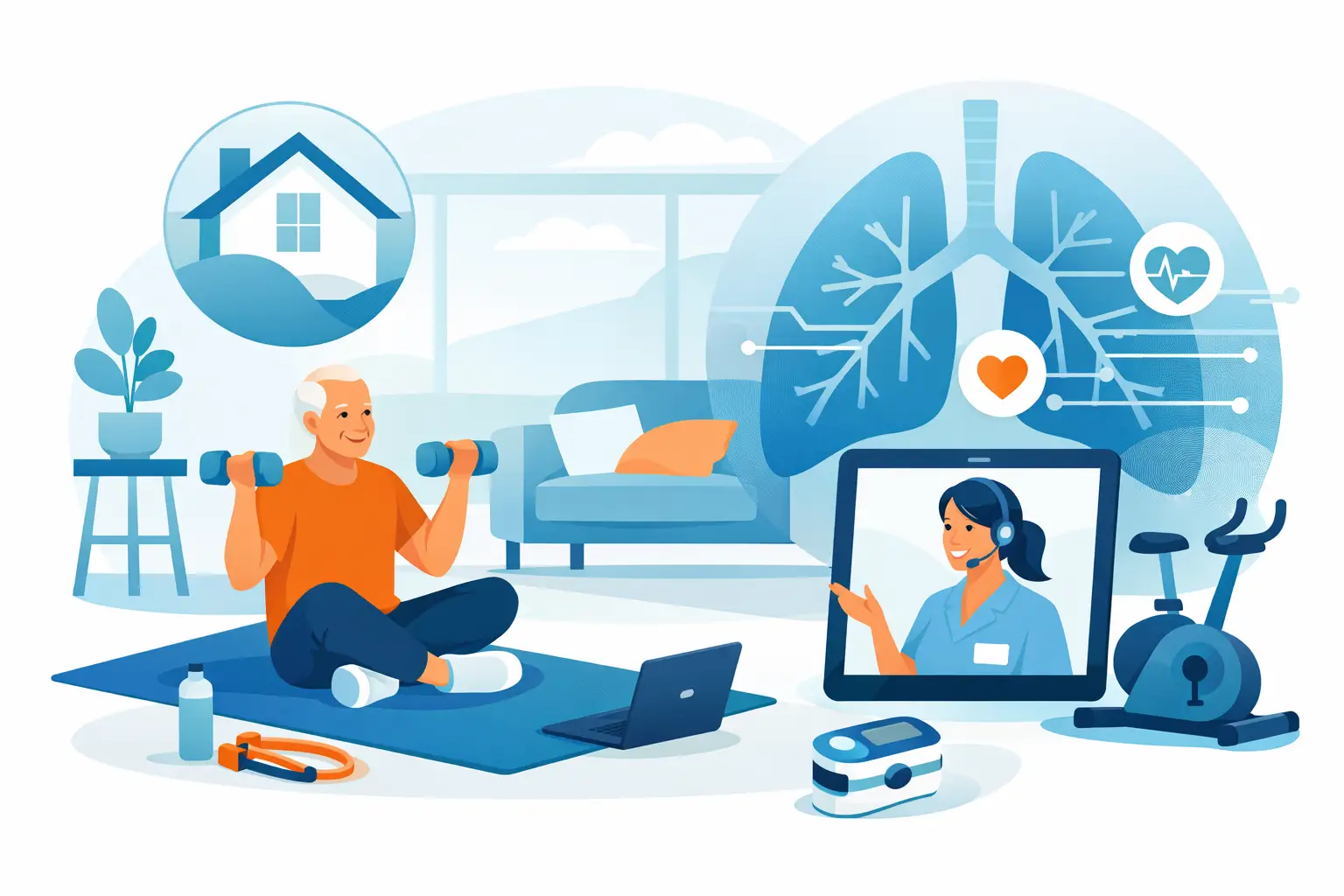
A flight of stairs, a walk to the mailbox, or getting dressed should not leave you wondering whether you can catch your breath. For people living with COPD, asthma, interstitial lung disease, pulmonary hypertension, or ongoing breathing limitations, a home pulmonary rehabilitation program may offer a practical way to build strength, confidence, and daily function without repeated trips to a facility.
Pulmonary rehabilitation is more than exercise. It is a structured, medically informed approach that can combine physical conditioning, breathing techniques, education, medication support, and strategies for managing symptoms. When appropriate, completing some or all of that work from home can reduce a major barrier to care: getting there while already feeling short of breath.
What a home pulmonary rehabilitation program involves
A home-based program adapts core pulmonary rehabilitation services to a patient’s home environment. Depending on your diagnosis, symptoms, insurance coverage, local program availability, and clinical needs, it may include remote coaching, video appointments, monitored exercise plans, wearable devices, phone check-ins, or a combination of home and in-person care.
The goal is not to push through severe breathlessness. It is to improve your ability to do everyday activities with less limitation and more control. A clinician may help you set functional goals, such as walking farther, taking fewer breaks while doing household tasks, returning to hobbies, or feeling more prepared during a flare-up.
A personalized plan often addresses three areas at once:
- Movement and conditioning: Gentle aerobic activity and strength training can help the body use oxygen more efficiently and improve endurance over time.
- Breathing and symptom skills: Techniques such as paced breathing or pursed-lip breathing may help some people manage exertional shortness of breath.
- Education and self-management: Patients learn how to recognize changes in symptoms, use medications and inhalers correctly, conserve energy, and understand when to contact their care team.
- Emotional support: Anxiety can worsen the feeling of breathlessness. Programs may include practical coping strategies and support for staying engaged in daily life.
The exact structure varies. Some patients need close monitoring at the beginning, while others can safely follow a clinician-approved home routine with regular virtual follow-up.
Who may benefit from pulmonary rehabilitation at home?
Home pulmonary rehabilitation can be especially helpful for people who have trouble traveling because of oxygen needs, mobility concerns, fatigue, distance from a rehab center, work schedules, or lack of transportation. It may also be a good fit for patients who prefer to practice breathing and movement techniques where they will actually use them: in their living room, hallway, kitchen, or neighborhood.
COPD is one of the most common reasons for pulmonary rehabilitation, particularly after worsening symptoms or a hospitalization. But it is not the only reason. A pulmonologist may recommend rehabilitation for people with chronic asthma that limits activity, certain interstitial lung diseases, bronchiectasis, pulmonary hypertension, recovery after some respiratory illnesses, or before and after selected lung procedures.
That said, home-based care is not automatically right for everyone. Frequent chest pain, fainting, uncontrolled heart conditions, severe oxygen drops with activity, significant balance problems, or a recent major change in symptoms may require in-person assessment or more intensive supervision first. The safest next step is an individualized clinical evaluation rather than starting an online exercise routine on your own.
Why clinical oversight matters
Breathing exercises and walking plans may sound simple, but pulmonary rehabilitation should begin with a clear understanding of your health. Your care team may review your diagnosis, medication list, recent test results, oxygen use, activity tolerance, and history of exacerbations. They can also identify conditions that may affect exercise safety, including heart disease, arthritis, dizziness, or sleep-related breathing problems.
Clinician oversight helps answer questions that generic fitness programs cannot. How much activity is appropriate today? Should you use oxygen during exercise? What level of shortness of breath is expected, and what is a warning sign? Is your inhaler technique helping as much as it should?
For many patients, a secure video consultation is a convenient starting point. A board-certified pulmonary specialist can review symptoms, discuss whether pulmonary rehabilitation may be appropriate, and coordinate a plan that fits your diagnosis and current needs. When prescriptions, oxygen, nebulizer supplies, or other respiratory equipment are part of that plan, having coordinated support can make follow-through easier.
What home sessions may look like
A home program is usually built around gradual progress, not dramatic workouts. You might start with short periods of walking, seated leg exercises, light resistance work, or repeated sit-to-stand movements. Your clinician or rehabilitation team may ask you to rate your breathlessness and fatigue, track your activity, and increase duration or intensity only when you are ready.
Your plan may also include practicing how to prepare for activity. This can mean taking prescribed medications as directed, using your oxygen exactly as ordered, resting before you become exhausted, and arranging your home to reduce unnecessary trips up and down stairs.
Learning energy conservation can be as valuable as exercise itself. Sitting for grooming tasks, gathering supplies before cooking, using a shower chair when appropriate, and breaking activities into smaller steps can reduce the cycle of overexertion followed by prolonged recovery. These adjustments are not giving up. They are ways to preserve energy for the parts of life that matter to you.
How to exercise more safely at home
Your rehabilitation team should give you instructions specific to your health. In general, choose a clear, well-lit space, wear supportive shoes, and keep a phone nearby. If you use supplemental oxygen, make sure tubing is arranged to lower the chance of tripping and that your equipment is functioning as prescribed.
It is normal to breathe harder during activity. However, stop exercising and seek medical guidance if you develop chest pressure, severe or rapidly worsening shortness of breath, faintness, confusion, a racing or irregular heartbeat, or symptoms that do not improve with rest and your prescribed rescue plan. For severe symptoms or a medical emergency, call 911.
Do not change oxygen flow settings, stop prescribed medications, or add supplements based solely on online advice. These decisions should be made with a qualified clinician who knows your medical history.
Questions to ask before starting
Before enrolling in a home pulmonary rehabilitation program, ask how your progress will be assessed, how often you will connect with the clinical team, and what happens if symptoms worsen. It is also reasonable to ask whether the program includes education, exercise planning, behavioral support, and communication with your prescribing clinician.
Insurance coverage can vary. Traditional center-based pulmonary rehabilitation and home-based options may be covered differently depending on your plan, diagnosis, and location. Confirm benefits before assuming that a virtual or at-home service is included. A care team can often help you understand what documentation or referrals may be needed.
If you are already receiving pulmonary care, ask whether your current treatment plan needs an update before you begin. Persistent cough, increasing mucus, more frequent rescue inhaler use, falling oxygen levels, poor sleep, or a recent urgent care visit may signal that your underlying condition needs attention alongside rehabilitation.
Building a plan that fits real life
The best program is one you can follow consistently. For one person, that may mean a structured video session twice a week. For another, it may mean a simple daily walking plan, regular check-ins, and a family member who helps with technology or keeps track of symptoms.
Telemedicine can make specialty input more accessible when travel is difficult. At Interstate Pulmonary, patients can connect with pulmonary specialists through secure video care to discuss ongoing breathing concerns, treatment needs, and next steps from home. Whether rehabilitation is part of your care or not, a clear plan and consistent follow-up can help you avoid feeling like you are managing your lungs alone.
Breathing better rarely comes from one perfect workout. It comes from small, supported steps that respect your symptoms, build on what your body can do today, and give you a path toward doing more tomorrow.