
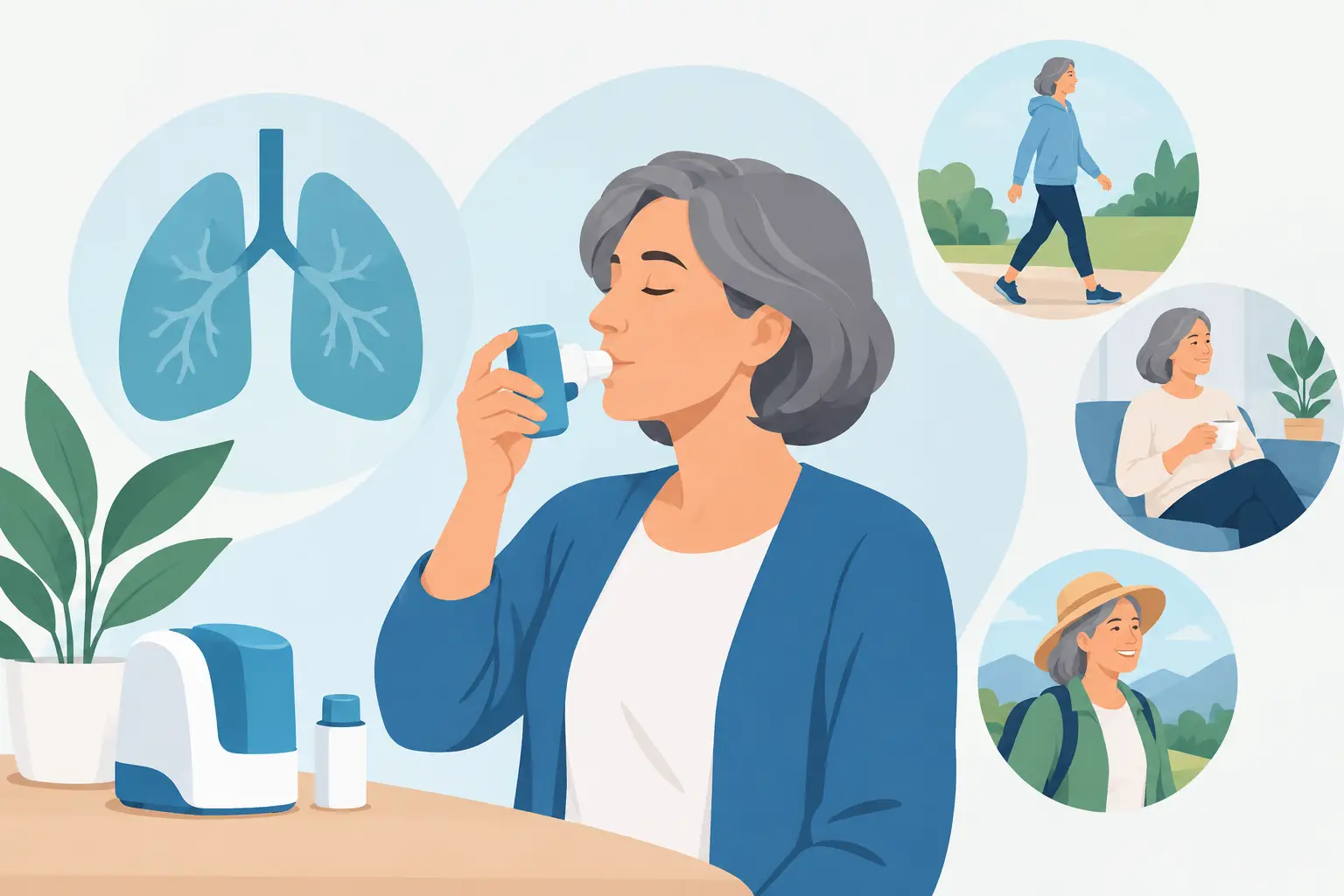
A COPD diagnosis can make ordinary moments feel less predictable. Walking to the mailbox, carrying groceries, or getting through a cold can leave you short of breath. The right COPD treatment is not about finding one solution that works for everyone. It is about building a practical, personalized plan that helps you breathe more comfortably, prevent flare-ups, and stay connected to the life you want to live.
COPD, or chronic obstructive pulmonary disease, is a long-term condition that includes emphysema and chronic bronchitis. While COPD cannot be reversed, treatment can make a meaningful difference in symptoms, activity level, and the number of exacerbations you experience. Regular guidance from a pulmonary specialist can help ensure your plan continues to fit your needs as they change.
COPD Treatment Starts With Your Full Picture
A useful treatment plan begins with more than a list of symptoms. Your clinician will consider how often you feel short of breath, whether you cough or bring up mucus, your history of flare-ups, current medications, smoking history, other health conditions, and how COPD affects your day-to-day routine.
Testing may also be part of the process. Spirometry, a breathing test that measures how much air you can move and how quickly, is commonly used to confirm COPD and assess airflow limitation. Chest imaging, oxygen measurements, sleep evaluations, and lab work may be appropriate in some situations. Not every patient needs every test, but the goal is the same: understand what is contributing to your breathing problems before making treatment decisions.
This individualized approach matters because shortness of breath is not always caused by COPD alone. Heart conditions, anemia, anxiety, sleep apnea, medication effects, and infections can also affect breathing. A careful evaluation helps avoid treating assumptions instead of treating you.
Medicines That Help You Breathe More Easily
Inhaled medications are central to COPD care for many people. They work directly in the lungs to relax airway muscles, reduce inflammation in selected patients, or both. Your specific inhaler regimen depends on your symptoms, lung function, and history of exacerbations.
A quick-relief inhaler may be used when symptoms suddenly worsen. Long-acting bronchodilators are often taken every day to keep airways more open over time. Some people benefit from a combination inhaler that includes more than one long-acting medicine. Inhaled corticosteroids may be recommended for certain patients, particularly those with repeated flare-ups or asthma-related features, but they are not right for everyone because they can carry risks such as oral thrush and, in some cases, pneumonia.
The medication only helps if it reaches your lungs correctly. Inhaler technique is easy to overlook, especially when you have used the same device for years. During a video appointment, a clinician can review how you use your inhaler, check whether the device matches your hand strength and breathing pattern, and discuss whether a spacer or a different delivery method may help.
Never stop or change a prescribed COPD medication without speaking with your clinician. If cost, side effects, pharmacy delays, or confusion about instructions are getting in the way, bring that up. A treatment plan should be workable, not simply medically appropriate on paper.
Preventing COPD Flare-Ups
A COPD flare-up, also called an exacerbation, is a worsening of symptoms beyond your usual day-to-day variation. You may notice more shortness of breath, increased coughing, a change in mucus color or amount, wheezing, fever, or unusual fatigue. Flare-ups can lead to emergency care and may affect lung health over time, so prevention is a major part of ongoing treatment.
Your clinician may recommend vaccines that lower the risk of respiratory infections, including seasonal flu, COVID-19, pneumococcal, and RSV vaccines when appropriate for your age and health history. Avoiding tobacco smoke, vaping, dust, strong fumes, and other known irritants can also reduce strain on your lungs.
It is helpful to have a clear action plan before you get sick. This plan should explain which symptoms can be monitored at home, when to contact your care team, and when urgent evaluation is needed. Some patients may be prescribed specific medications to use during a clinician-directed flare-up plan, but these medicines should not be started automatically without instructions tailored to you.
Seek emergency help right away for severe trouble breathing, bluish lips or fingertips, new confusion, fainting, chest pain, or symptoms that are rapidly worsening. Telemedicine can make specialty care more accessible, but it does not replace emergency services when you are in distress.
Everyday Habits Are Part of Treatment
COPD management is not limited to prescriptions. Small, consistent choices can improve stamina and help you feel more in control of symptoms.
Pulmonary rehabilitation is one of the most valuable options for many people with COPD. These structured programs combine supervised exercise, breathing strategies, education, and support. They are designed to improve endurance safely, even if exercise currently feels intimidating. Your pulmonologist can help determine whether a local or virtual option is appropriate.
Physical activity outside of rehabilitation can help too, as long as it is matched to your abilities and medical guidance. Short walks, chair exercises, or gentle strength training may be more realistic than trying to do too much at once. Pacing is not giving up. It is using your energy wisely by planning rest periods, sitting for tasks when possible, and breaking larger activities into smaller steps.
Nutrition and hydration also deserve attention. Some people with COPD unintentionally lose weight because breathing uses extra energy, while others find that excess weight makes movement and breathing harder. A clinician can help you identify a realistic approach based on your health, appetite, and activity level.
If you smoke, quitting remains one of the most powerful steps you can take to slow further lung damage. This can be difficult, especially if nicotine has been part of your routine for years. Counseling, nicotine replacement, and prescription options can improve the chances of quitting successfully. A setback does not mean you have failed. It means you may need a different form of support.
When Oxygen or Equipment May Be Needed
Supplemental oxygen can be lifesaving for people whose blood oxygen levels are consistently low. However, oxygen is not automatically needed for all shortness of breath. Using it when it has not been prescribed may not help and can create safety concerns.
If testing shows you need oxygen, your care team can discuss the appropriate flow rate, when to use it, and the equipment that fits your routine. Some people need oxygen primarily during sleep or activity, while others need it more continuously. Home equipment support can reduce the burden of arranging delivery and understanding what you need to use safely.
COPD and sleep problems can overlap. Snoring, daytime sleepiness, morning headaches, and waking up gasping may point to sleep apnea or another sleep-related breathing concern. Treating sleep apnea when it is present can support better sleep, energy, and overall respiratory health.
Specialized Care Can Happen From Home
COPD requires follow-up, especially after a flare-up, a hospitalization, or a medication change. Yet getting to an in-person specialist appointment can be difficult when breathing is limited, transportation is unreliable, or you live far from a pulmonary clinic.
Secure video appointments offer a convenient way to speak with a board-certified pulmonary specialist from home. After completing an intake questionnaire and scheduling a consultation, you can discuss symptoms, review medications, get guidance on testing, and receive electronic prescriptions sent to your local pharmacy when clinically appropriate. Your clinician can also help coordinate respiratory equipment and determine when an in-person exam, imaging study, or urgent evaluation is needed.
Virtual care is especially helpful for routine follow-up and treatment adjustments, but it works best when you share clear information. Keep a list of your medications, note recent symptoms and flare-ups, and have your inhalers nearby during your appointment. If you monitor oxygen levels at home, record the numbers along with what you were doing when you took them.
A Plan You Can Follow Is the Right Next Step
The best COPD plan is one you understand and can use on an ordinary Tuesday, not just during a clinic visit. Ask questions when instructions are unclear. Tell your care team what makes treatment difficult. Mention changes in your breathing early, even if they seem small.
With personalized medical guidance, reliable prescriptions, practical education, and follow-up that fits your schedule, COPD care can become less overwhelming. Better breathing often begins with one clear next step: getting the support you need before symptoms take more from your day.