
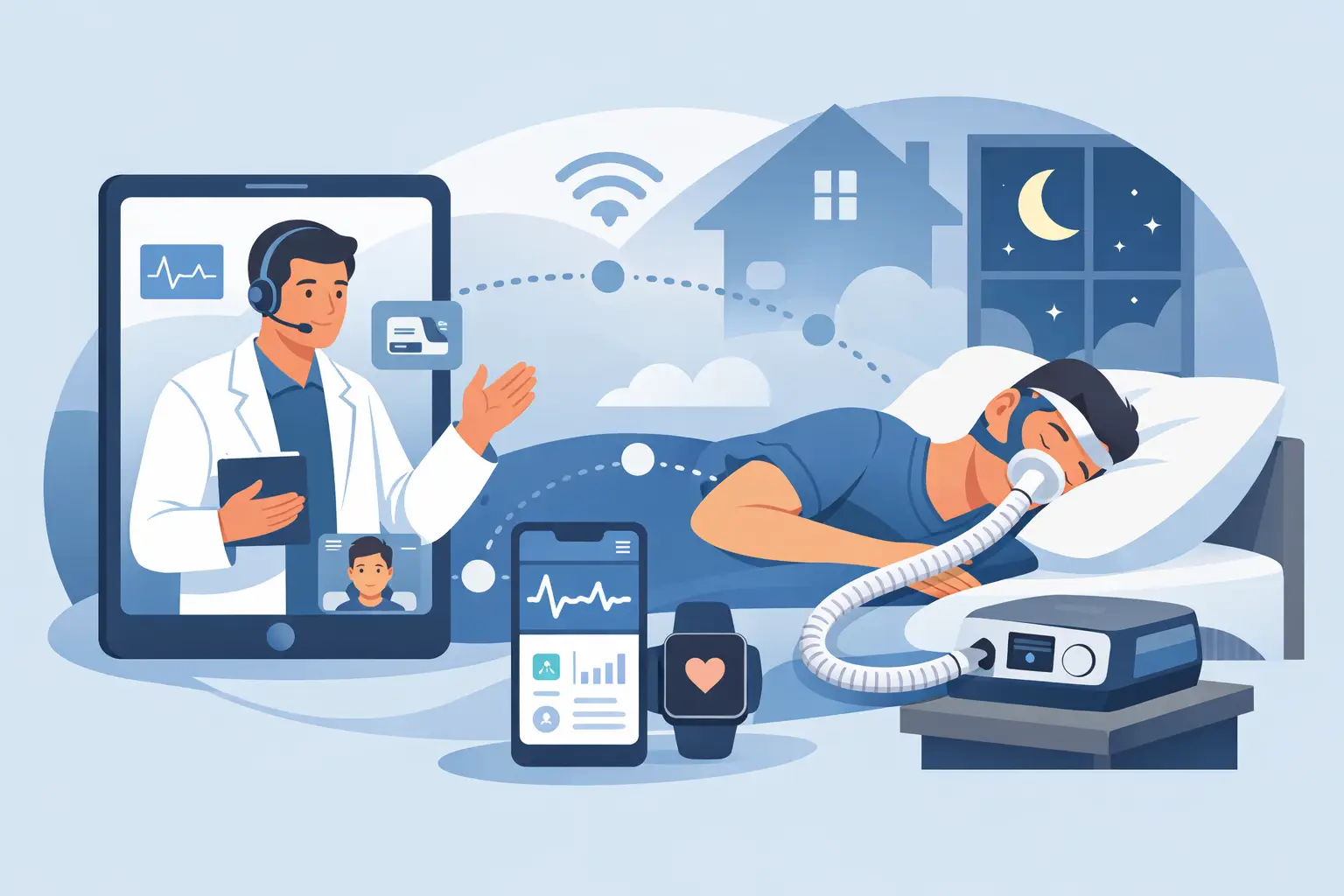
Waking up tired after a full night in bed can affect far more than your morning routine. Loud snoring, gasping during sleep, morning headaches, and daytime fatigue may point to sleep apnea, a condition that deserves clinical attention. Sleep apnea telemedicine makes it easier to take that next step by connecting you with a qualified sleep or pulmonary specialist from home.
For many people, the hardest part of seeking care is not recognizing that something is wrong. It is finding time for an appointment, arranging transportation, taking time away from work, or waiting weeks to see a specialist. Virtual care can reduce those barriers while keeping the focus where it belongs: understanding your symptoms and building a treatment plan that fits your life.
What sleep apnea telemedicine can help with
Telemedicine is not simply a video call. When it is provided by an experienced clinician, it is a structured way to evaluate symptoms, review medical history, coordinate testing, prescribe treatment when appropriate, and monitor progress over time.
During a secure video consultation, a specialist may ask about snoring, witnessed pauses in breathing, nighttime choking, poor sleep, fatigue, concentration problems, and changes in mood. They may also review conditions that can affect sleep and breathing, such as high blood pressure, heart disease, COPD, asthma, diabetes, or weight changes. Your medications, alcohol use, sleep schedule, and family history can all provide useful context.
Sleep apnea telemedicine can be especially helpful for adults who already have a diagnosis and need ongoing support. If you use CPAP or another positive airway pressure device, virtual visits can help address common concerns such as mask discomfort, dry mouth, pressure intolerance, air leaks, or difficulty using the device consistently. A treatment plan only works when it is practical enough to use night after night.
The path from symptoms to a treatment plan
Most patients begin with an intake questionnaire and a scheduled video appointment. Completing the intake carefully gives the clinician a clearer picture of your sleep concerns before the visit begins. Be prepared to describe what you feel during the day as well as what a partner, family member, or roommate has noticed overnight.
Your virtual specialist visit
At your appointment, the clinician will determine whether your symptoms and health history suggest sleep apnea or another sleep-related concern. Obstructive sleep apnea is the most common form. It happens when the upper airway repeatedly narrows or closes during sleep, interrupting breathing and reducing sleep quality.
Not every person who snores has sleep apnea, and not every person with sleep apnea snores loudly. That is why an individualized evaluation matters. Fatigue can have many causes, including insomnia, medication effects, depression, anemia, thyroid conditions, or other medical concerns. A good consultation considers the full picture rather than assuming one symptom tells the whole story.
Sleep testing from home or in a lab
A clinician may recommend a home sleep apnea test for certain patients. This test is completed in your own bed using portable monitoring equipment and can be a convenient option when obstructive sleep apnea is suspected and the patient is an appropriate candidate.
Home testing is not the right choice for everyone. People with significant heart or lung disease, certain neurologic conditions, possible central sleep apnea, severe insomnia, or symptoms that remain unclear may need an in-lab sleep study instead. The purpose is not to choose the fastest test at all costs. It is to choose the test most likely to provide accurate information for safe care.
Once results are available, your specialist can explain what they mean in plain language. If sleep apnea is diagnosed, the next conversation is about the severity of the condition, your symptoms, your health risks, and the treatment options that make sense for you.
Treatment can continue without the commute
Positive airway pressure therapy, commonly called CPAP, is often an effective treatment for obstructive sleep apnea. The machine delivers gentle air pressure through a mask to help keep the airway open while you sleep. For many patients, successful CPAP treatment improves daytime alertness, sleep quality, and quality of life.
Still, CPAP is not a one-size-fits-all experience. The right mask style, pressure settings, humidity level, and equipment support can make a meaningful difference. Through telemedicine, your clinician can review your experience, make clinically appropriate adjustments, send electronic prescriptions to a local pharmacy when needed, and help coordinate equipment delivered to your home.
Other options may be appropriate depending on your diagnosis. These can include oral appliance therapy through a qualified dental provider, positional therapy, weight-management support, or referral for additional evaluation. For some patients, treating nasal congestion or adjusting sleep habits may also help improve comfort with treatment. Your clinician can explain where these approaches may fit and where they may not be enough on their own.
What to expect from follow-up care
Sleep apnea treatment is not a single appointment followed by silence. Follow-up is where many patients get the help they need to make therapy sustainable. A virtual visit gives you space to discuss what is actually happening at home: whether you are removing the mask overnight, waking with dry eyes, struggling to fall asleep with the device, or feeling better but still tired.
If your device records treatment data, your care team may use that information to understand patterns in your therapy. Data can show whether the device is being used regularly, whether air leaks may be interfering with comfort, and whether breathing events appear controlled. Numbers are useful, but they are only part of the story. How you feel during the day matters too.
Telemedicine can also support prescription continuity and equipment needs. Supplies such as masks, cushions, tubing, and filters wear out over time. Addressing replacement needs early can prevent small equipment problems from becoming a reason to stop therapy.
When virtual care may not be enough
Remote care is convenient, but it has limits. A virtual specialist may recommend in-person testing, a physical examination, or referral to another clinician when your symptoms or medical history call for it. That is a sign of thoughtful care, not a failure of telemedicine.
Seek urgent medical attention for severe or sudden shortness of breath, chest pain, fainting, blue lips or face, or other emergency symptoms. Sleep apnea should be evaluated, but emergency breathing concerns should never wait for a routine video visit.
Preparing for a better telemedicine appointment
A few simple details can help you get more from your visit. Write down your main symptoms, when they started, and how they affect work, driving, relationships, or daily activities. If someone has observed your sleep, ask what they have noticed. Bring a list of medications and any prior sleep-study results or CPAP information you have available.
Choose a private, quiet place with a reliable internet connection for your video visit. You do not need to know every medical term or arrive with a diagnosis. Your role is to be honest about what you are experiencing. The specialist’s role is to listen, assess, and guide you through the next appropriate steps.
Interstate Pulmonary helps patients access board-certified pulmonary and sleep-focused care through secure video consultations, with support for prescriptions and respiratory equipment when appropriate. The goal is straightforward: make specialty care easier to reach without losing the personal clinical guidance you need.
Better sleep can begin with a conversation you do not have to commute for. If nighttime breathing problems or persistent exhaustion are getting in the way of your day, a virtual evaluation can offer a practical, supported path toward answers and healthier rest.