
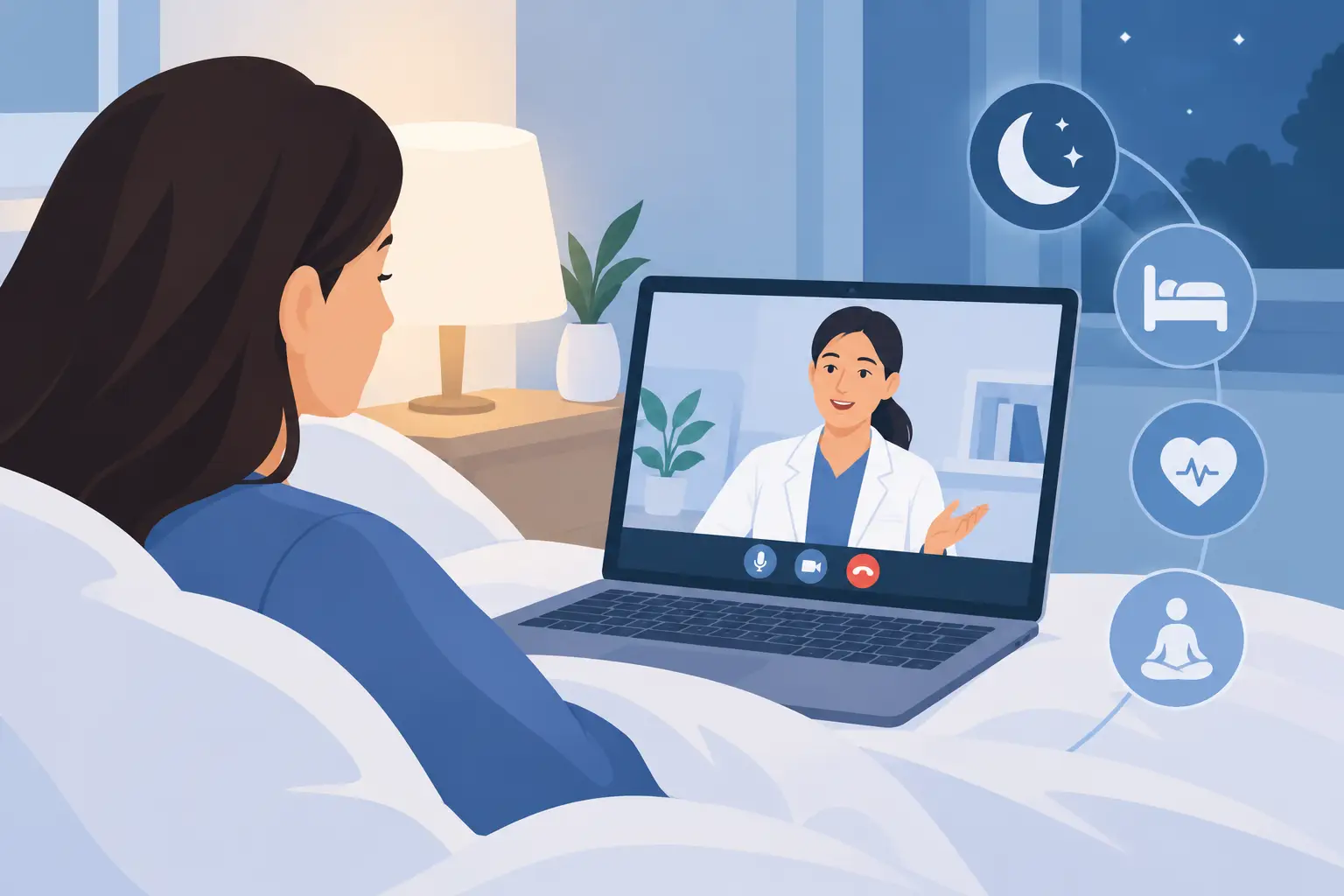
Waking up exhausted after a full night in bed, falling asleep during quiet moments, or hearing that you snore loudly can leave you with more questions than answers. Understanding how virtual sleep consultations work can make it easier to take the next step without adding a long commute or crowded waiting room to an already tiring routine.
A virtual sleep visit connects you with a qualified sleep specialist by secure video from home. The purpose is the same as an in-person appointment: to understand your symptoms, assess possible sleep disorders, recommend appropriate testing when needed, and create a treatment plan that supports better rest and better daily health.
How Virtual Sleep Consultations Work, Step by Step
The process usually starts before the video appointment. You complete an intake questionnaire with information about your sleep habits, symptoms, medical history, medications, and insurance. This gives the clinical team a useful starting point and helps ensure your visit focuses on what matters most to you.
You may be asked about snoring, witnessed pauses in breathing, waking up gasping, morning headaches, dry mouth, frequent nighttime trips to the bathroom, or daytime sleepiness. Your provider will also want to know about conditions that can affect sleep and breathing, such as high blood pressure, heart disease, COPD, asthma, diabetes, anxiety, or chronic pain.
After intake, you select a convenient appointment time and receive instructions for joining a secure video consultation. Most patients can participate using a smartphone, tablet, or computer with a camera, microphone, and dependable internet connection. A quiet, private space helps you speak openly with your provider and hear recommendations clearly.
During the appointment, the sleep specialist reviews your concerns and asks follow-up questions. They may discuss your typical bedtime and wake time, how long it takes you to fall asleep, whether you wake during the night, and how rested you feel in the morning. If someone sleeps nearby, their observations about snoring or breathing pauses can be helpful, but they are not required.
The provider may also review relevant medical records, prior sleep study results, CPAP data, medication history, and recent vital signs if available. A video visit cannot replace every part of a physical exam, but it often provides enough information for an initial sleep evaluation and ongoing care. If an in-person exam or additional testing is clinically necessary, your provider can explain why and help guide the next step.
What Conditions Can Be Discussed Virtually?
Virtual sleep care is commonly used for suspected or diagnosed obstructive sleep apnea, a condition in which the airway repeatedly narrows or closes during sleep. It can also help patients who are already using CPAP or other positive airway pressure therapy and need support with comfort, pressure settings, masks, supplies, or treatment adherence.
Sleep consultations can also address insomnia symptoms, restless legs concerns, circadian rhythm issues, excessive daytime sleepiness, and sleep difficulties related to lung disease. The right approach depends on your symptoms and overall health. For example, a patient with loud snoring and daytime fatigue may need an evaluation for sleep apnea, while someone who cannot fall asleep until very late may benefit from a different assessment and care plan.
Virtual care is especially useful for people whose sleep symptoms overlap with respiratory concerns. Shortness of breath at night, frequent coughing, oxygen needs, or COPD and asthma symptoms can affect rest and should be discussed with a clinician who understands the connection between breathing and sleep.
When a Sleep Study Is Recommended
A consultation is not always the final step in diagnosis. For many people, the specialist may recommend a sleep study to measure breathing patterns, oxygen levels, heart rate, and sleep-related events. The type of test depends on the clinical picture.
For uncomplicated suspected obstructive sleep apnea, a home sleep apnea test may be appropriate. A testing device is sent or arranged for you to use at home, typically for one night. You receive clear instructions on how to place the sensors, wear the device while sleeping, and return it for interpretation. The results are reviewed by a qualified clinician, not simply generated as an automated answer.
Home testing is convenient, but it is not right for everyone. It may not capture certain sleep disorders or provide enough detail for patients with complex medical conditions. In those cases, an overnight sleep study in a sleep center may be recommended. That recommendation is not a setback – it is a way to get the clearest information possible and make sure treatment fits your needs.
From Results to a Personalized Treatment Plan
Once your provider has enough information, they explain what the findings mean in plain language. If sleep apnea is diagnosed, treatment may include CPAP or another positive airway pressure device, oral appliance therapy through an appropriate dental provider, positional changes, weight-management support when relevant, or additional evaluation. The best choice depends on the severity of apnea, your anatomy, health history, comfort, and preferences.
If CPAP therapy is recommended, virtual care can simplify the process. Your care team can help coordinate equipment and supplies, explain how treatment works, and support you as you adjust. Many devices can securely share usage data, allowing your provider to see patterns such as nightly use, mask leak, and residual breathing events. This helps make follow-up conversations more specific.
For some patients, the first mask or setting does not feel right. That is common. A follow-up visit can address dry mouth, nasal congestion, pressure discomfort, leaks, skin irritation, or trouble keeping the mask on through the night. Small adjustments can make a meaningful difference in whether treatment becomes a sustainable part of your routine.
When medication is clinically appropriate, electronic prescriptions can be sent directly to your local pharmacy. Your provider may also recommend behavioral strategies, sleep scheduling changes, or coordination with other members of your healthcare team. Sleep care is rarely one-size-fits-all, particularly when other respiratory or medical conditions are involved.
What to Prepare Before Your Video Visit
You do not need to become a sleep expert before meeting with a specialist. A few practical details can help make your appointment more productive. Have a current list of medications available, along with any past sleep study reports, CPAP information, or relevant medical records you can access.
It is also helpful to think about your symptoms over the past several weeks. Note when they began, how often they occur, and how they affect work, driving, mood, concentration, or relationships. If you use a CPAP machine, keep the device nearby if possible so you can show your mask or describe any equipment issue accurately.
Plan to join a few minutes early and test your camera and audio. If technology is a concern, ask whether a family member or trusted caregiver can help you connect. Your medical discussion remains focused on your privacy and comfort.
When Virtual Care May Not Be Enough
Telemedicine is a convenient way to access specialty sleep care, but urgent symptoms need urgent attention. Severe trouble breathing, chest pain, fainting, confusion, bluish lips or face, or a medical emergency should be evaluated immediately through emergency services rather than a scheduled video appointment.
You may also need in-person evaluation if your provider identifies a concern that cannot be safely assessed remotely. That is part of responsible care. The value of virtual visits is not that they replace every healthcare setting – it is that they remove unnecessary barriers when remote evaluation and follow-up are appropriate.
At Interstate Pulmonary, virtual sleep care is designed around a simple goal: help you move from unanswered sleep concerns to clear, individualized clinical guidance. A secure video visit can be the practical first step toward calmer nights, more energy during the day, and support that fits your life instead of interrupting it.