
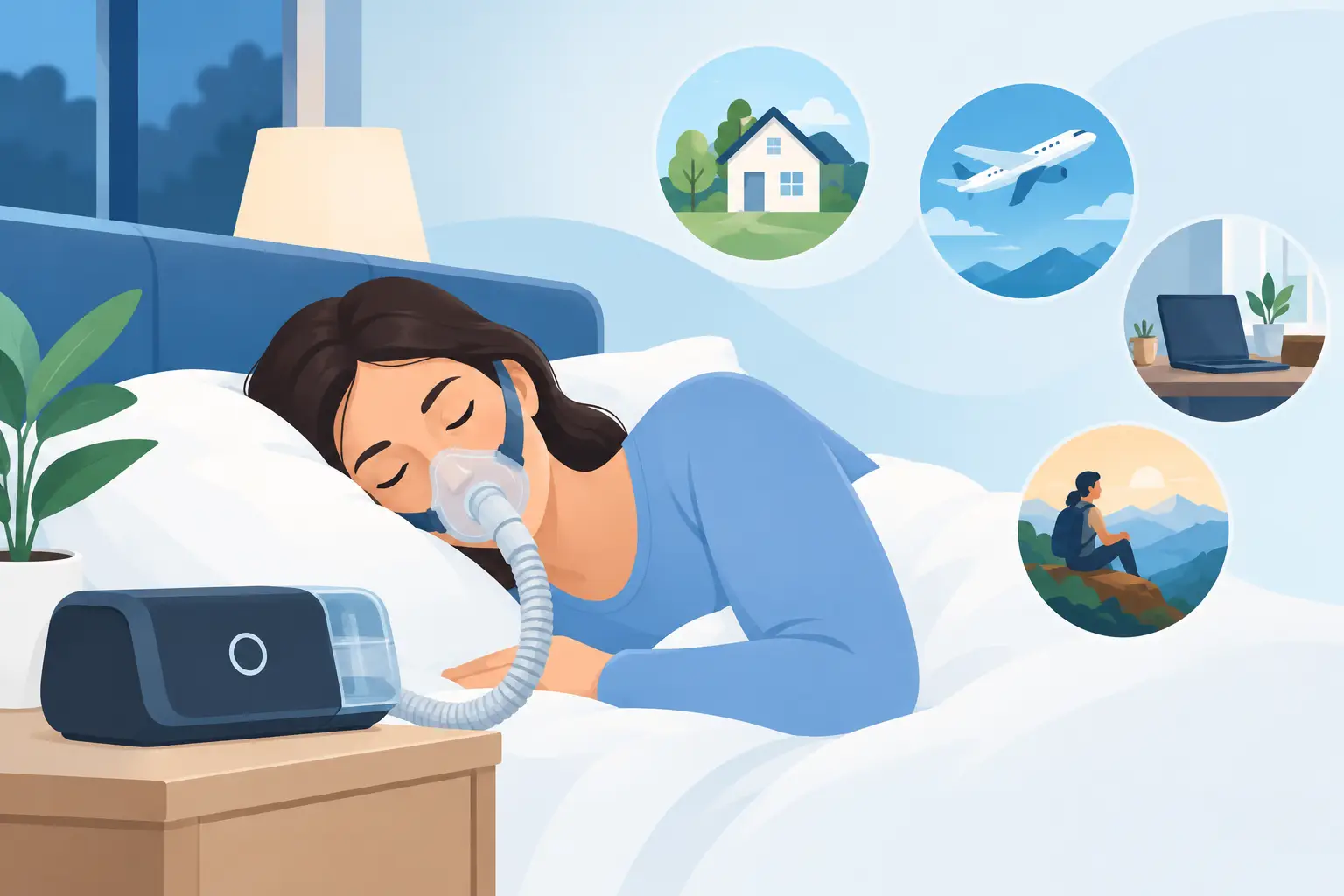
Waking up tired after a full night in bed can feel frustrating, especially when snoring, gasping, morning headaches, or daytime sleepiness keep repeating. For many people with obstructive sleep apnea, CPAP therapy is the treatment that helps restore more consistent breathing at night and makes daily life feel more manageable.
CPAP is not a one-size-fits-all experience. The right pressure settings, mask style, humidity level, and follow-up support can make a meaningful difference in whether treatment becomes a comfortable part of your routine. Understanding what to expect can help you start with more confidence and know when to ask for help.
What CPAP Therapy Does for Sleep Apnea
CPAP stands for continuous positive airway pressure. A CPAP machine delivers a gentle, steady stream of pressurized air through tubing and a mask. That air pressure helps keep the upper airway open while you sleep, preventing the repeated breathing pauses and drops in oxygen that occur with obstructive sleep apnea.
When the airway stays open, your body does not have to repeatedly jolt itself awake to resume breathing. Many patients notice less snoring, fewer nighttime awakenings, and more restorative sleep. Over time, effective treatment may also help improve daytime alertness, mood, concentration, and quality of life.
Sleep apnea is more than an inconvenience. Untreated breathing interruptions can place stress on the cardiovascular system and may be associated with high blood pressure, heart disease, stroke risk, and difficulties managing other health conditions. Individual risk varies, which is why an evaluation and treatment plan should be guided by a qualified clinician.
Getting Started With CPAP Therapy
Most people begin after a sleep study confirms sleep apnea and a sleep specialist or other qualified provider recommends positive airway pressure treatment. Your prescription includes the type of machine and pressure settings appropriate for your needs. Some patients use standard CPAP, while others may be prescribed an automatic positive airway pressure machine, often called APAP, which adjusts pressure within a prescribed range during the night.
The equipment generally includes the machine, tubing, mask, filters, and sometimes a humidifier chamber. The machine itself is usually compact enough to sit on a bedside table. A durable medical equipment provider can help arrange equipment, explain basic setup, and review insurance requirements.
The first few nights may feel unfamiliar. You are wearing something new, hearing a soft airflow sound, and adjusting to a different way of sleeping. That adjustment period is normal. Comfort concerns do not mean treatment has failed. They usually mean something needs to be adjusted.
Finding a Mask That Works for You
The mask is one of the biggest factors in CPAP comfort. Nasal masks cover the nose, nasal pillow masks rest at the nostrils, and full-face masks cover the nose and mouth. There is no universally best option.
A nasal or nasal pillow mask may feel lighter for someone who primarily breathes through their nose. A full-face mask can be more practical for a person who regularly breathes through their mouth at night or has frequent nasal congestion. Your sleep position, facial shape, skin sensitivity, facial hair, and prescribed pressure can all influence the best choice.
A mask should be secure without being painfully tight. Over-tightening can create pressure marks, worsen leaks, and make the mask less comfortable. If air leaks toward your eyes, the cushion may need to be repositioned, cleaned, replaced, or fitted differently. Persistent leaks deserve attention because they can reduce comfort and affect treatment effectiveness.
How to Make CPAP Feel More Comfortable
Consistency matters, but forcing yourself through significant discomfort is not the goal. Small changes can improve your experience quickly.
Try using the mask for short periods while you are awake, such as while reading or watching television. This can help your body become accustomed to the sensation of airflow before bedtime. If your machine has a ramp feature, it may begin at a lower pressure and gradually increase as you fall asleep.
Dry mouth, a dry nose, or congestion are common concerns. A heated humidifier may add moisture to the airflow, and heated tubing can help reduce condensation in the tube. If you wake up with dry mouth, mouth breathing may be contributing. A different mask style or a clinician-approved strategy may help.
Keep your bedtime routine simple. Place the equipment where it is easy to reach, check that the water chamber is filled as directed, and put on the mask after you are settled in bed. The more predictable the routine becomes, the less CPAP feels like an interruption.
It is also useful to give yourself time. Some people adjust in days, while others need several weeks and a few equipment changes. The best outcome comes from addressing problems early instead of setting the machine aside.
Common CPAP Problems and When to Ask for Help
CPAP machines collect treatment information, including hours of use, mask leak, and breathing events. Your care team may use this data to see whether therapy is working as expected and identify issues that are hard to recognize on your own.
Contact your prescribing clinician or equipment provider if you are experiencing ongoing discomfort, frequent mask leaks, a sensation that pressure is too strong or too weak, persistent congestion, skin irritation, or continued daytime sleepiness. Do not change prescribed pressure settings on your own unless your clinician instructs you to do so.
You should also speak with a clinician if you develop new chest discomfort, significant shortness of breath, or other symptoms that concern you. CPAP treats airway obstruction during sleep, but it does not replace evaluation for other respiratory, heart, or sleep-related conditions.
Cleaning and Replacing Equipment
Regular care helps keep equipment comfortable and functioning properly. Follow the manufacturer instructions and the recommendations from your equipment provider. In general, the mask cushion should be cleaned regularly to remove facial oils, while the humidifier chamber should be emptied and allowed to dry daily when in use.
Filters, tubing, cushions, headgear, and water chambers wear out over time. Replacement schedules vary by equipment and insurance plan. If a once-comfortable mask starts leaking or the cushion feels stiff, worn supplies may be the reason. Avoid using ozone or unapproved cleaning devices unless specifically directed by the manufacturer, as they may damage equipment.
Why Follow-Up Care Matters
A CPAP prescription is the start of treatment, not the end of care. Weight changes, nasal allergies, changes in medication, new medical conditions, or returning symptoms can all affect sleep apnea management. Regular follow-up gives you an opportunity to review your progress, discuss equipment concerns, and make clinically appropriate adjustments.
For people balancing work, caregiving, travel, or limited access to specialists, virtual sleep care can make those conversations easier to keep. A secure video appointment allows you to discuss symptoms and equipment challenges from home without adding a commute or a long wait in a clinic. Interstate Pulmonary connects patients with board-certified pulmonary and sleep specialists who can help guide ongoing respiratory and sleep care.
CPAP adherence is sometimes discussed as a number of hours, but the goal is more personal than that: treatment that you can realistically use throughout the night, night after night. A plan that fits your life is more likely to support your health over the long term.
CPAP Therapy Is a Tool, Not a Test of Willpower
Some patients worry that struggling with CPAP means they are doing something wrong. It does not. Sleep apnea treatment often involves a period of adjustment, and needing a different mask, humidity setting, or follow-up conversation is common.
Be honest about what is getting in the way. If you remove the mask after two hours, wake up with a dry mouth, or avoid using it because of anxiety or discomfort, those details help your clinician find a practical solution. The right support can turn a difficult first week into a sustainable routine.
A better night of breathing can begin with one clear next step: get evaluated, ask questions, and give yourself the support needed to make treatment work at home.