
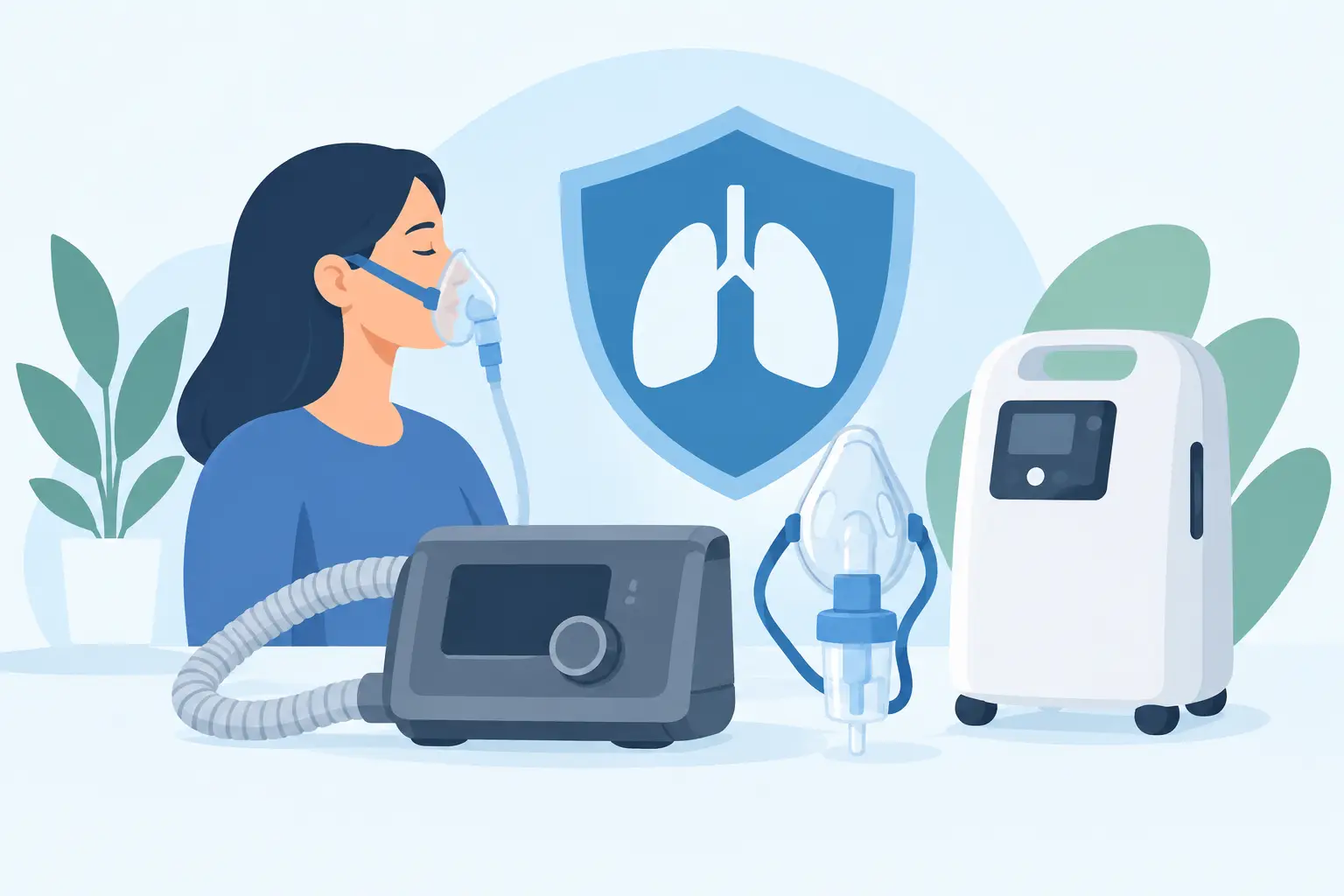
A new prescription for a CPAP machine, home oxygen, nebulizer, or other respiratory device can bring relief – and a new set of insurance questions. This guide to respiratory equipment coverage explains the steps that often determine whether a health plan will help pay for equipment, supplies, and home delivery. While every policy is different, knowing what insurers commonly look for can make the process feel far more manageable.
Respiratory equipment is not usually covered simply because a patient wants or has heard they may benefit from it. Coverage typically depends on a documented medical need, a qualifying prescription or order, and a supplier that works with the patient’s insurance plan. The details matter, but patients do not have to sort through them alone.
What counts as respiratory equipment?
Insurance plans often group respiratory devices under durable medical equipment, commonly called DME. This category generally includes equipment intended for repeated use in the home rather than disposable items used once.
Depending on the diagnosis and plan rules, covered equipment may include CPAP or BiPAP devices for sleep apnea, oxygen concentrators and portable oxygen systems, nebulizers, suction machines, ventilatory support devices, and related accessories. Masks, tubing, filters, humidifier chambers, nebulizer cups, and oxygen cannulas may be covered as replacement supplies, although they frequently follow their own refill schedules.
The difference between a device and its supplies is worth understanding. A plan may approve a CPAP machine but limit how often it pays for a replacement mask or cushion. It may cover a nebulizer compressor while applying separate rules to the medication placed inside it. Your clinician and equipment supplier can help clarify what is included before an order is finalized.
The main factors that shape coverage
Coverage is rarely a single yes-or-no question. Most insurers review several parts of the request together.
A documented diagnosis and clinical need
Your medical record needs to support why the equipment is medically necessary. For sleep apnea, that may include a sleep study and a specialist’s treatment recommendation. For home oxygen, insurers commonly require oxygen testing that shows qualifying levels and documentation explaining the underlying lung or heart condition.
For asthma, COPD, and other chronic breathing conditions, records may describe symptoms, prior treatments, medication needs, flare-ups, or difficulty using another treatment method. Requirements vary by device and by insurance plan. A board-certified pulmonary or sleep specialist can evaluate your needs and document an appropriate treatment plan.
A complete order or prescription
A prescription alone may not contain enough detail for an equipment provider to submit a claim. Orders often need to identify the device, settings or specifications, diagnosis, duration of need, and requested supplies. Some plans also require chart notes from a recent visit.
This is one reason patients should avoid purchasing equipment independently before checking benefits. A device that appears similar to the prescribed model may not meet the insurer’s criteria, and an out-of-network purchase can leave you responsible for most or all of the cost.
An in-network supplier
Even when your plan covers a device, it may require you to obtain it from a contracted DME supplier. Suppliers do more than deliver equipment. They typically verify benefits, collect required documents, submit claims, arrange delivery, and provide setup instructions or support.
Ask your insurer whether a supplier is in network before the order is sent. If you have a preferred supplier, confirm that it accepts your specific plan, not just the insurance company generally. Network status can vary between plan types.
Plan rules, deductibles, and cost-sharing
Coverage does not always mean the equipment is free. Depending on your plan, you may owe a deductible, copay, coinsurance, or a monthly rental amount. Some devices are rented first and may become yours after a defined period. Others may be purchased outright.
For example, a CPAP device may be billed as a rental over several months. During that period, the insurer may expect evidence that you are using it consistently before continuing payment. Oxygen equipment can also involve recurring rental and supply charges. Knowing this upfront helps prevent an unexpected bill.
How the respiratory equipment coverage process usually works
The process often begins with a clinical evaluation. During an in-person or secure video visit, a clinician reviews symptoms, medical history, existing testing, medications, and current equipment use. If testing is needed, the next step may be a sleep study, pulmonary function test, oxygen test, or another evaluation.
Once a device is clinically appropriate, the clinician creates the order and supporting documentation. The order is then sent to an insurance-compatible equipment supplier. The supplier verifies your benefits and determines whether prior authorization is required.
Prior authorization means the insurer reviews the request before agreeing to pay. It is common for certain devices and can take time, especially if records are incomplete. Approval is not guaranteed, but prompt responses to requests for additional records can keep the process moving.
After approval or benefit verification, the supplier coordinates delivery, setup, and education. For many patients, home delivery is a major convenience, particularly when shortness of breath, mobility limitations, distance, or work schedules make travel difficult.
A telemedicine visit can support this process when clinically appropriate and permitted by your insurance plan. Interstate Pulmonary helps patients access pulmonary and sleep specialists remotely, with care plans and equipment support designed to reduce unnecessary trips while keeping clinical oversight in place.
What to have ready before you call your insurer
A brief benefits call can save time later. Have your insurance card, diagnosis if known, and the name of the recommended equipment available. Ask whether the device is covered under your medical benefit, whether prior authorization is needed, and which suppliers are in network.
It also helps to ask about your deductible and coinsurance, whether the item is rented or purchased, and what supplies are included. For ongoing equipment such as CPAP or oxygen, ask how often replacement supplies are covered and whether continued use documentation is required.
Keep a record of the date, representative’s name, and reference number from the call. Insurance information can be complicated, and a written record is useful if you receive conflicting information later.
Documentation that can prevent delays
Patients are not expected to create the clinical documentation themselves, but knowing what may be needed helps you prepare. A complete file may include:
- A recent evaluation note describing symptoms, diagnosis, and treatment need
- Test results, such as a sleep study or qualifying oxygen measurement
- A detailed prescription or equipment order
- Insurance information and a completed supplier intake form
- Prior authorization records, if your plan requires them
If you already use equipment, share your current device information, supplier details, and any challenges you have experienced. Poor mask fit, dry mouth, frequent COPD symptoms, or a device that no longer meets your needs are clinically relevant details. They may guide the treatment plan and help determine whether a replacement or different setup is appropriate.
Common reasons coverage is delayed or denied
A denial does not always mean you are out of options. Requests may be delayed because the insurer needs a missing chart note, an updated test result, a more specific order, or confirmation that the supplier is in network. Sometimes the request was submitted under the wrong benefit category or without required prior authorization.
Clinical criteria can also be very specific. A patient may have symptoms consistent with sleep apnea but still need a qualifying sleep test before CPAP coverage is approved. A person who feels better on oxygen may not meet the plan’s testing threshold for home oxygen coverage. Those distinctions can feel frustrating, but they reflect insurance rules rather than a judgment about whether symptoms are real.
When a request is denied, ask for the reason in writing. Your clinical team and supplier may be able to correct missing information, submit additional records, request reconsideration, or explain the appeal process. If coverage remains unavailable, ask about cash-pay options, payment plans, or alternatives that may better fit your clinical needs and budget.
Protecting coverage after equipment arrives
For equipment that requires regular use, follow-up matters. Use the device as instructed, attend recommended appointments, and contact your care team if something is uncomfortable or not working. Stopping use because of a mask leak, pressure concern, dryness, or uncertainty about setup can affect both your health and, for some plans, ongoing coverage.
Do not wait until supplies run out to ask about refills. Replacement schedules vary, and suppliers may need a current prescription or follow-up documentation. If your insurance changes, let your clinician and supplier know early so they can verify the new coverage before the next delivery.
Breathing and sleep equipment should make daily life safer and more manageable, not add another burden. Start with a clear clinical evaluation, ask direct coverage questions, and let your care team help turn an approved order into practical support at home.