
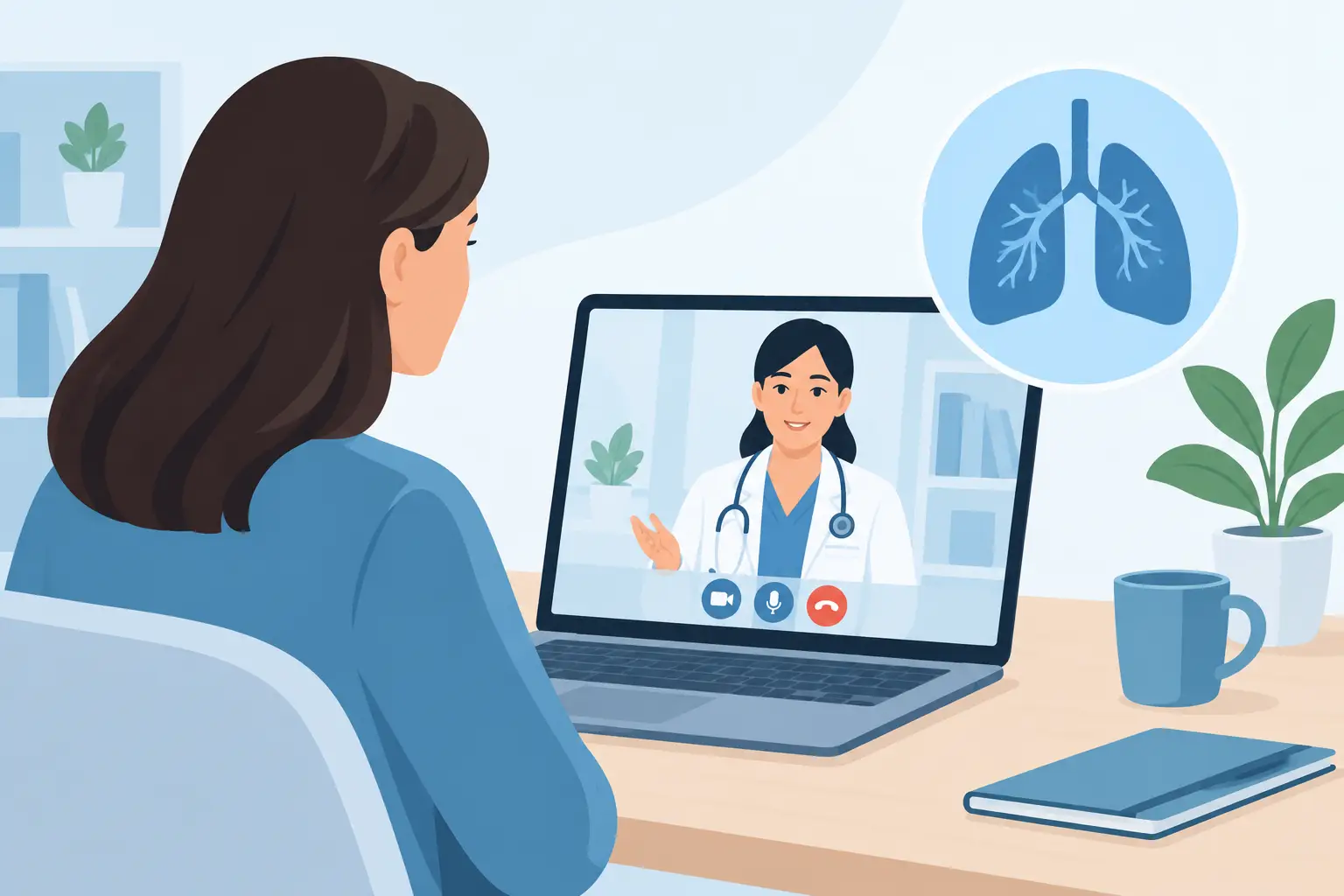
Shortness of breath should not always mean a long drive, a crowded waiting room, or weeks spent trying to find a specialist appointment. Learning how to access a virtual pulmonologist can give you a practical path to respiratory care from home, whether you are managing COPD, asthma, sleep apnea, chronic cough, or a new breathing concern.
Virtual pulmonary care connects you with a qualified lung specialist through a secure video visit. You can discuss symptoms, review prior test results, receive a personalized care plan, and, when clinically appropriate, have prescriptions sent to your local pharmacy. Some practices can also help coordinate respiratory equipment delivered to your home.
What a Virtual Pulmonologist Can Help With
A pulmonologist is a physician who specializes in conditions affecting the lungs and respiratory system. Through telemedicine, board-certified pulmonologists can assess many ongoing concerns without requiring an in-person office visit.
Virtual appointments can be a good fit for people who need help managing COPD, asthma, sleep apnea, bronchitis, chronic cough, recurring wheezing, or unexplained breathlessness. They may also support follow-up care after a hospital stay, medication adjustments, prescription renewals, interpretation of available records, and guidance on using respiratory equipment.
Telemedicine does have limits. A video visit cannot replace emergency care or every hands-on exam. If you are having severe trouble breathing, chest pain, bluish lips or face, confusion, fainting, or symptoms that feel life-threatening, call 911 or seek emergency care right away. Your virtual pulmonologist can help determine when an in-person evaluation, imaging study, breathing test, or sleep study is needed.
How to Access a Virtual Pulmonologist in Five Steps
The process is designed to be straightforward. You do not need to be a technology expert or have a complicated home setup to begin.
1. Start with an online intake questionnaire
Most virtual pulmonary practices begin by asking about your symptoms, health history, current medications, past diagnoses, insurance information, and the reason you are seeking care. This gives the clinical team a clearer picture before your appointment.
Be as specific as you can. Share when symptoms began, what makes them better or worse, whether you use oxygen, inhalers, CPAP or BiPAP therapy, and whether you have recently visited an urgent care center or hospital. If you know your oxygen readings, sleep study results, or lung test findings, include those details as well.
2. Schedule a secure video consultation
After completing the intake process, choose an available appointment time that works for you. A virtual consultation usually takes place on a phone, tablet, or computer with a camera, microphone, and reliable internet connection.
Before the visit, make sure your device is charged and that you can sit somewhere private with good lighting. You may receive instructions by email, text message, or through a patient portal. Following those instructions a few minutes before the appointment can prevent last-minute technology issues.
3. Gather the information your specialist may need
You do not need to have every medical record in hand, but bringing useful information can make the visit more productive. Have your medication bottles nearby, including inhalers, nebulizer medicines, and over-the-counter products. Keep a list of your questions within reach.
If you have recent chest X-rays, CT scans, pulmonary function testing, sleep study reports, hospital discharge paperwork, or prior specialist notes, ask whether you can upload them before the visit. If you use home monitoring tools, such as a pulse oximeter or peak flow meter, write down recent readings and any patterns you have noticed.
4. Meet with the pulmonologist and discuss your care plan
During the video visit, the pulmonologist will ask about your breathing, sleep, activity level, triggers, medical history, and treatment response. They may watch you breathe, listen carefully to how you describe symptoms, and review the records available to them.
This is your time to be direct about what is affecting daily life. Mention if you are waking up short of breath, avoiding stairs, using a rescue inhaler more often, struggling with CPAP, or running out of medication. The best treatment plan is not only based on a diagnosis. It should account for your symptoms, goals, current treatment, and ability to follow the plan at home.
Depending on your needs, the clinician may recommend medication changes, further testing, a sleep evaluation, lifestyle guidance, follow-up visits, or an in-person assessment. You should leave the appointment knowing what to do next and when to get additional help.
5. Receive prescriptions and equipment support
One of the practical benefits of virtual pulmonary care is care coordination after the visit. When a prescription is appropriate, it can be sent electronically to your preferred local pharmacy. This may help prevent interruptions in the medicines you rely on to control symptoms.
If you need equipment such as oxygen supplies, a nebulizer, CPAP-related support, or other respiratory devices, ask how the practice can assist. Equipment requirements vary by diagnosis, insurance plan, and clinical documentation, so timing is not always the same for every patient. A good virtual-care team can explain the next steps and help reduce confusion around orders, delivery, and follow-up.
Preparing for a Better Virtual Pulmonary Visit
Your appointment will be more useful when the specialist can see the full picture. Find a quiet location where you can speak openly, and consider asking a family member or caregiver to join if they help manage medications, equipment, or appointments.
Write down two or three priorities before the call. For example, you may want to understand why you are short of breath, ask whether your inhaler is working correctly, or discuss poor sleep despite using CPAP. A focused conversation helps ensure the issues that matter most to you are addressed.
It also helps to be honest about barriers. Tell the clinician if medication costs are difficult, if a device feels uncomfortable, or if you are unsure how to use your treatment. Respiratory care works best when the plan fits real life, not just a chart.
Insurance, Availability, and What to Ask Before Booking
Many telehealth pulmonary practices work with insurance, but coverage depends on your plan, location, and the type of service needed. Before scheduling, ask whether the practice accepts your insurance, whether a referral is required, and whether there may be a copay or deductible.
You can also ask whether the pulmonologist is licensed to provide care in your state, how records are shared with your primary care clinician, and how follow-up questions are handled after the appointment. These details matter if you expect ongoing care rather than a one-time consultation.
For California patients and others seeking remote specialty support, Interstate Pulmonary provides a guided path from intake questionnaire to secure video consultation, treatment guidance, prescriptions, and assistance with respiratory equipment. The goal is to make specialty care feel more accessible while maintaining the individualized oversight your lungs and sleep health deserve.
When Virtual Care May Not Be Enough
Virtual care is especially useful for follow-ups, treatment planning, medication management, and reviewing symptoms or test results. Still, a pulmonologist may recommend an in-person visit if you need a physical examination, urgent imaging, lung function testing, blood work, or a procedure.
That recommendation is not a failure of telemedicine. It is a sign that your clinician is matching the type of care to your situation. A quality virtual practice should be clear about what can be managed remotely and when it is safer to be seen in person.
If you have been putting off specialty care because travel, scheduling, or waiting rooms feel overwhelming, a virtual appointment can be a meaningful first step. Breathing concerns deserve timely attention, and getting expert guidance from home may make it easier to begin.