
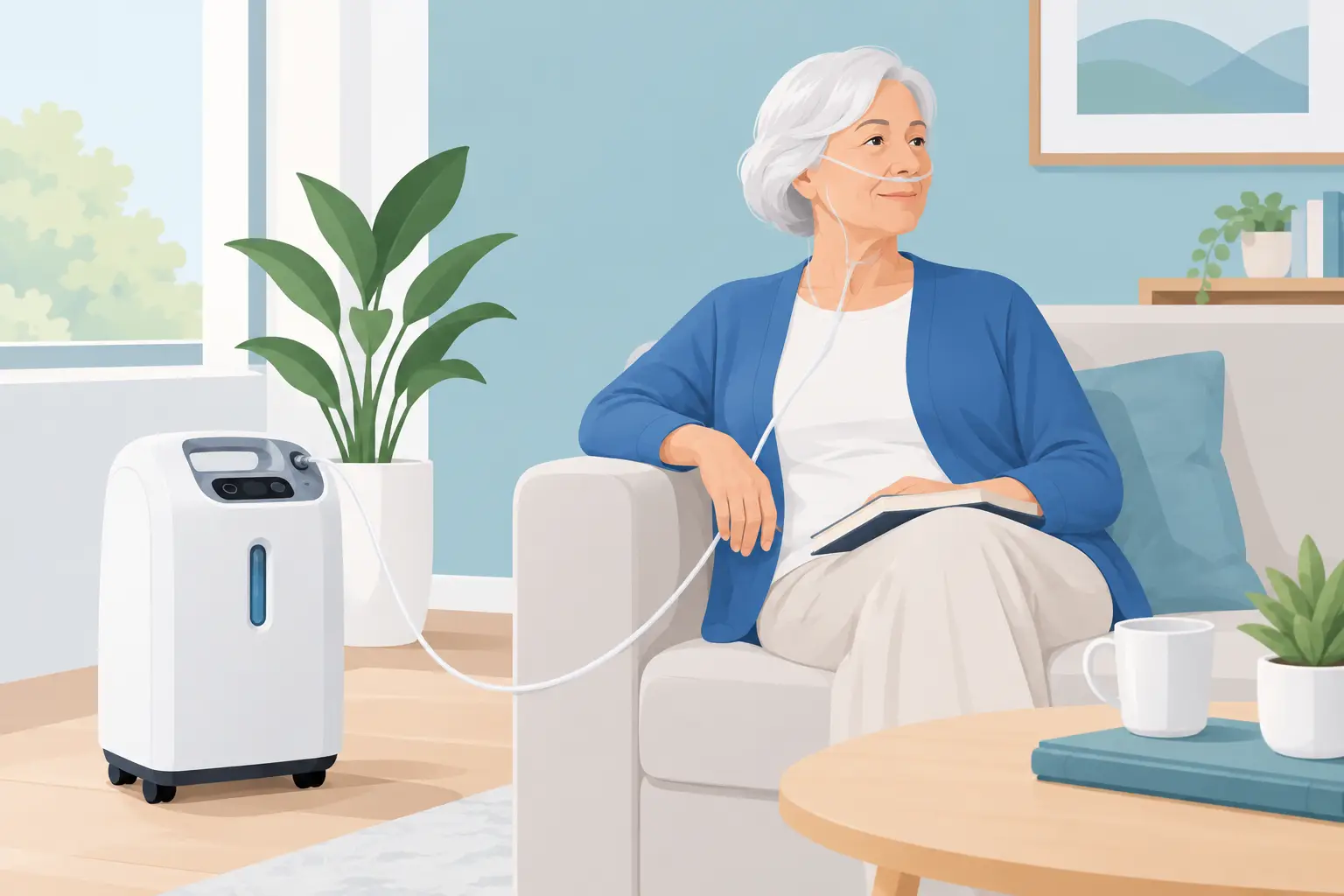
A prescription for oxygen can change the rhythm of a day. There may be tubing to manage, a machine humming in the background, and new questions about sleeping, showering, leaving home, and staying safe. This guide to home oxygen therapy explains the practical basics so you can use your equipment with more confidence while staying connected to your pulmonary care team.
Home oxygen is not simply a comfort measure. It is a medical treatment prescribed when your blood oxygen level is lower than your body needs. The right device, flow setting, and number of hours of use depend on your diagnosis, test results, activity level, and overall health. Your plan may change over time, which is why ongoing clinical follow-up matters.
Start With the Prescription, Not the Equipment
Oxygen is prescribed in liters per minute, often written as LPM, and may be ordered for continuous use, during sleep, with exertion, or in specific situations. Some people need a steady flow of oxygen. Others use a portable device that delivers a pulse dose when they breathe in. These settings are not interchangeable.
Use oxygen exactly as prescribed. Do not turn the flow up because you feel short of breath, and do not lower it to make a tank last longer, unless a clinician has told you to do so. Shortness of breath can have many causes, including infection, airway flare-ups, fluid retention, anxiety, or a problem with the equipment. More oxygen is not always the answer.
Your supplier should show you how to operate your device before or at delivery. Ask them to demonstrate how to check the flow, connect tubing, read alarms, change a battery, and use any backup equipment. If something does not make sense, ask again. A few extra minutes of instruction can prevent a stressful equipment problem later.
Understanding Your Home Oxygen Equipment
Most people receive one or more types of oxygen equipment based on their needs. A stationary concentrator runs on electricity and pulls oxygen from room air. It is commonly used at home, especially overnight. Oxygen cylinders hold compressed oxygen and can serve as portable or backup supply. Portable oxygen concentrators use batteries and may make it easier to attend appointments, visit family, or travel.
Each option has trade-offs. A stationary concentrator can provide dependable oxygen at home but needs electrical power. Tanks do not need an outlet, but they are heavier and have a limited supply. Portable concentrators offer flexibility, although battery life, pulse-dose capability, and airline requirements vary by model.
Keep the manufacturer instructions and supplier phone number in an easy-to-find place. If your device alarms, first check simple issues such as a bent tube, a loose connection, an empty tank, a low battery, or a power interruption. If the problem continues, call your equipment supplier. If you are having severe symptoms, seek urgent medical help rather than waiting for a repair.
Tubing, Cannulas, and Comfort
A nasal cannula is the soft tubing that delivers oxygen through small prongs in the nostrils. Position the prongs as instructed, with the curved tips facing upward into the nose. Route tubing along a wall or behind furniture when possible so it does not create a trip hazard.
Tubing can irritate the ears, cheeks, or nostrils. Cannula cushions, soft ear protectors, and a water-based moisturizer may help. Avoid petroleum-based products, such as petroleum jelly, around your nose or face while using oxygen. Ask your clinician or supplier what products are appropriate for you.
Replace cannulas and tubing according to your supplier’s schedule or sooner if they become cracked, stiff, dirty, or uncomfortable. Keep supplies away from pets, who may chew tubing, and avoid sharing your equipment with anyone else.
Oxygen Safety at Home
Oxygen itself does not burn, but it makes flames burn faster and more intensely. Safety is part of treatment, not an optional extra. Keep oxygen equipment at least 5 feet away from open flames, gas stoves, fireplaces, candles, and space heaters. Follow the more specific guidance provided by your equipment supplier if it differs.
Never smoke or vape while using oxygen, and do not allow anyone else to smoke or vape nearby. This includes e-cigarettes and smoking around an open window or doorway. Post no-smoking signs in visible areas of the home, especially if friends, relatives, home health workers, or caregivers visit.
For a safer setup:
- Keep concentrators and tanks upright in a well-ventilated area, not inside a closed cabinet or crowded corner.
- Do not use aerosol sprays, oil-based products, or flammable cleaning products near oxygen equipment.
- Keep cords and tubing clear of walkways, and use night-lights if you get up after dark.
- Make sure smoke detectors work, and keep a fire extinguisher accessible if one is appropriate for your household.
Do not store oxygen tanks in a hot car, near direct heat, or in a place where they can fall. If you use a wheelchair, walker, or cane, ask for help arranging tubing so you can move safely through your home.
Building Oxygen Into Your Daily Routine
The adjustment period can feel frustrating. Start by identifying the moments when oxygen use is most likely to be interrupted: getting dressed, bathing, cooking, exercising, sleeping, or leaving for an appointment. A routine makes those moments easier.
For bathing, keep the equipment outside the bathroom if possible and use tubing long enough to maintain your prescribed distance from the device. Keep the concentrator away from water. If mobility or balance is a concern, consider a shower chair and ask your care team about strategies that fit your home.
For sleep, confirm that your tubing reaches comfortably without pulling or tangling. If you wake with headaches, feel unusually sleepy during the day, or have sleep apnea symptoms, let your clinician know. Oxygen may be part of your nighttime plan, but it does not replace prescribed CPAP or BiPAP therapy unless your specialist has specifically changed your treatment.
Activity is often still possible and beneficial, but the plan should be individualized. Your clinician may recommend using oxygen during walking or pulmonary rehabilitation. Pay attention to symptoms, use any pulse oximeter only as directed, and do not base treatment changes on a single reading. Cold fingers, movement, nail polish, and device quality can affect readings.
Prepare for Power Outages and Travel
A stationary concentrator requires a backup plan. Keep enough backup oxygen available as directed by your supplier, and know how long it will last at your prescribed flow rate. Write down the equipment company’s emergency number and tell them if you rely on oxygen continuously. If you expect severe weather, contact the supplier early rather than waiting until an outage begins.
For travel, planning prevents last-minute surprises. Talk with your clinician well ahead of a trip, particularly if you are flying, visiting a high-altitude location, or taking a cruise. Airlines generally require advance approval for portable oxygen concentrators, and they may require documentation from your clinician. Not every portable device is approved for every travel situation.
Bring extra cannulas, charging cords, batteries, and written prescription information. If you use tanks, arrange oxygen service at your destination before you leave. Do not assume a hotel, rental car company, airline, or cruise line can provide oxygen equipment on demand.
When to Call Your Care Team
Contact your pulmonary clinician if your breathing is getting worse, you need to stop more often during normal activities, your usual oxygen plan no longer feels adequate, or you have new cough, fever, swelling, chest discomfort, or confusion. These changes may point to a condition that needs evaluation rather than an equipment adjustment.
Call 911 or seek emergency care for severe trouble breathing, blue or gray lips or face, fainting, new confusion, severe chest pain, or symptoms that rapidly worsen. If you are unsure, it is safer to get urgent help.
For ongoing questions about oxygen use, equipment needs, COPD, asthma, sleep-related breathing concerns, or changing symptoms, remote specialty care can make follow-up easier. At Interstate Pulmonary, board-certified pulmonary and sleep clinicians can help patients review symptoms, treatment plans, and next steps through secure video visits.
Oxygen therapy should support more of life, not make life smaller. With the right prescription, safe habits, dependable equipment support, and a care team that knows your goals, home can remain a place where you breathe easier and keep moving forward.